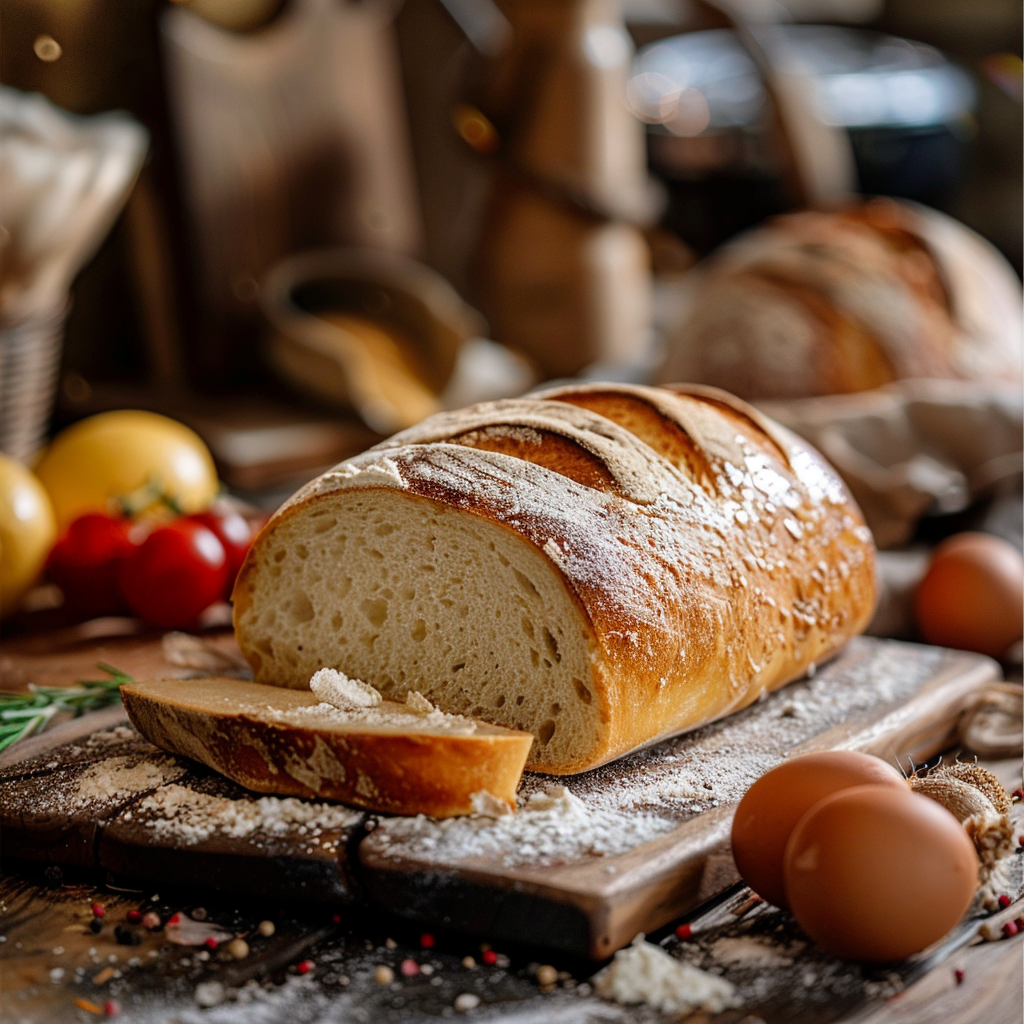
Making homemade white bread from scratch is a truly rewarding experience, filling your home with an irresistible aroma and providing a wonderfully soft, slightly sweet loaf for all your culinary needs. This classic recipe is designed to be straightforward, perfect for beginners and seasoned bakers alike. Imagine warm, pillowy slices perfect for your morning toast, the foundation for a delicious sandwich, or simply enjoyed with a smear of butter. This old-fashioned approach ensures a comforting and delightful result that store-bought bread often can’t match. Let’s get baking!
Why This Recipe Works
This white bread recipe is a reliable favorite because it uses simple, pantry-stable ingredients that work together harmoniously. The gentle warmth of the liquid activates the yeast, the sugar feeds it, and the fat from butter or oil contributes to the bread’s tender crumb and rich flavor. The long rising times allow the dough to develop that signature soft texture and airy interior. It’s the kind of baking that feels good, offering a sense of accomplishment with every perfectly baked loaf.
The beauty of this recipe lies in its approachability. Each step is clearly defined, making the process feel manageable. Whether you’re looking for a comforting kitchen project or a dependable way to have fresh bread on hand, this recipe delivers. It’s a fundamental baking skill that opens the door to countless delicious possibilities, making it a true staple in any home cook’s repertoire.
Recipe Overview
| Prep Time | 20 minutes |
|---|---|
| Cook Time | 30-35 minutes |
| Total Time | 2 hours 30 minutes (includes rising) |
| Servings | 2 loaves (approx. 16 slices each) |
| Difficulty | Easy |
| Category | Bread |
| Cuisine | American, Grandma-style |
| Best For | Sandwiches, Toast, Everyday Baking |
Ingredients
The ingredients for this classic white bread are simple and readily available, forming the foundation for a wonderfully soft loaf. You’ll likely have most of them in your pantry already.
| Ingredient | Quantity | Notes |
|---|---|---|
| Active Dry Yeast | 2 1/4 teaspoons (1 packet) | Make sure it’s fresh |
| Warm Water or Milk | 1 1/2 cups | About 105-115°F (40-46°C) |
| Granulated Sugar | 2 tablespoons | For feeding the yeast and a touch of sweetness |
| All-Purpose Flour | 4 to 4 1/2 cups | Plus more for dusting and kneading |
| Salt | 1 1/2 teaspoons | For flavor and dough structure |
| Unsalted Butter | 3 tablespoons | Melted, or use a neutral oil like vegetable or canola |
| Egg | 1 | For egg wash (optional) |
The key to a great loaf of white bread is quality flour and active yeast. All-purpose flour provides a tender crumb without being too heavy. If your yeast is old, it might not activate properly, leading to a flat loaf, so always check its expiration date. Melted butter adds a lovely richness and helps keep the bread soft longer.
Step-by-Step Instructions
Follow these simple steps to create your own perfect homemade white bread.
Activate the Yeast
- In a large mixing bowl or the bowl of a stand mixer, combine the warm water or milk, sugar, and yeast.
- Stir gently and let it sit for about 5-10 minutes until it becomes foamy. This indicates the yeast is active.
Mix the Dough
- Add the melted butter (or oil) and salt to the foamy yeast mixture. Stir to combine.
- Gradually add about 3 1/2 cups of the flour. If using a stand mixer, attach the dough hook and mix on low speed until a shaggy dough forms. If mixing by hand, stir with a wooden spoon until well combined.
- Add the remaining flour, 1/2 cup at a time, until the dough starts to pull away from the sides of the bowl and is soft and slightly sticky. You might not need all the flour, or you might need a little more.
Knead the Dough
- Turn the dough out onto a lightly floured surface.
- Knead the dough for about 8-10 minutes until it becomes smooth, elastic, and no longer excessively sticky. If using a stand mixer, knead on medium-low speed for 6-8 minutes.
First Rise
- Lightly grease a clean large bowl with oil or cooking spray.
- Place the kneaded dough into the bowl, turning it once to coat the surface.
- Cover the bowl tightly with plastic wrap or a clean kitchen towel.
- Let the dough rise in a warm place for 1 to 1 1/2 hours, or until it has doubled in size.
Shape the Loaves
- Gently punch down the risen dough to release the air.
- Turn the dough out onto a lightly floured surface and divide it in half.
- Shape each half into a loaf. Flatten one half into a rectangle, then roll it up tightly like a jelly roll. Pinch the seams to seal.
- Place the shaped loaves seam-side down into two greased 9×5 inch loaf pans.
Second Rise
- Cover the loaf pans loosely with plastic wrap or a clean kitchen towel.
- Let the loaves rise in a warm place for another 45-60 minutes, or until they have risen about 1 inch above the rim of the pans.
Bake the Bread
- Preheat your oven to 375°F (190°C).
- If desired, brush the tops of the risen loaves with a beaten egg wash for a golden crust.
- Bake for 30-35 minutes, or until the crust is golden brown, and the internal temperature reaches about 190-200°F (88-93°C) on an instant-read thermometer. You can also tap the bottom of the loaf; it should sound hollow.
- Immediately remove the loaves from the pans and place them on a wire rack to cool completely before slicing.
Granny Tips for Perfect Results
- Measure Flour Correctly: Spoon the flour into your measuring cup and level it off with a straight edge. Scooping directly from the bag can pack too much flour in, making your bread dense.
- Water Temperature is Key: Too hot, and you’ll kill the yeast; too cold, and it won’t activate properly. Aim for lukewarm, like a baby’s bath.
- Don’t Rush the Rise: Patience is a virtue in bread making. Let the dough rise fully, as this is crucial for a light and airy texture. A warm, draft-free spot is ideal.
- Knead Thoroughly: Proper kneading develops gluten, giving your white bread its structure and chew. Don’t be tempted to cut this time short.
- Cool Completely: Resist the urge to slice into a hot loaf. Cooling allows the internal structure to set, preventing a gummy texture.
- Check Yeast Freshness: If your yeast doesn’t foam after 5-10 minutes in warm water and sugar, it’s likely dead. Start over with fresh yeast.
Common Mistakes to Avoid
- Mistake: Dead Yeast. This happens if yeast is expired or exposed to extreme temperatures. Your dough won’t rise, resulting in a flat, dense loaf. Always check the expiration date and use warm, not hot, liquid.
- Mistake: Under or Over-Kneading. Under-kneading results in a bread with poor structure and a heavy crumb. Over-kneading can make the bread tough. Knead until the dough is smooth and elastic, just pulling away from the sides of the bowl.
- Mistake: Insufficient Rising Time. Inadequate rising leads to a dense, small loaf. Ensure your dough has doubled in size during both rises in a warm, draft-free environment.
- Mistake: Slicing Too Soon. Cutting into hot bread can result in a gummy, sticky interior. The bread needs to cool completely on a wire rack for its structure to fully set.
- Mistake: Not Enough Flour During Kneading. A dough that’s too sticky will be difficult to handle and can result in a dense loaf. Gradually add flour until it’s just slightly tacky, not wet.
Variations and Substitutions
| Variation or Ingredient | Substitution | Result |
|---|---|---|
| Milk for Water | Use 1 1/2 cups whole milk instead of water | Richer flavor and softer crumb |
| Oil for Butter | Use 3 tablespoons vegetable or canola oil | Similar tenderness, slightly lighter flavor |
| Honey for Sugar | Use 2 tablespoons honey | Slightly different flavor profile, moister crumb |
| Adding Seeds | Mix 1/4 cup sunflower or flax seeds into the dough during kneading | Adds texture and a nutty flavor |
| Whole Wheat Flour | Replace up to 1 cup of all-purpose flour with whole wheat flour | Denser texture, nuttier flavor. May need a touch more liquid. |
Serving Suggestions and Pairings
Freshly baked white bread is incredibly versatile. Serve it warm, straight from the oven, with a generous spread of butter. It’s perfect for classic sandwiches, from ham and cheese to peanut butter and jelly. Toast slices make an excellent base for avocado or jam. It’s also a comforting accompaniment to a bowl of soup, like a hearty tomato or chicken noodle, or alongside a fresh salad.
For a simple yet delightful treat, consider pairing a slice with a warm drink like Chrysanthemum Tea with Goji Berry.
Storage and Reheating
| Method | Duration | Instructions |
|---|---|---|
| Room Temperature | 2-3 days | Store in a bread box or a loosely sealed plastic bag. Avoid airtight containers, which can make the crust soft. |
| Refrigerator | 5-7 days | Wrap tightly in plastic wrap or store in an airtight container. Freezing is generally a better option for longer storage. |
| Freezer | 2-3 months | Wrap each loaf tightly in plastic wrap, then in aluminum foil or a freezer bag. Thaw at room temperature or slice and toast directly from frozen. |
To refresh slightly stale bread, wrap it in foil and warm it in a 300°F (150°C) oven for about 5-10 minutes.
Nutritional Information
Approximate values will vary depending on ingredients, brands, and serving size.
| Nutrient | Amount per Slice |
|---|---|
| Calories | Approximately 110 kcal |
| Carbohydrates | Approximately 20g |
| Protein | Approximately 4g |
| Fat | Approximately 2g |
| Fiber | Approximately 1g |
| Sugar | Approximately 2g |
| Sodium | Approximately 180mg |
Frequently Asked Questions
Can I make this recipe ahead of time?
Yes, you can prepare the dough and let it do its first rise in the refrigerator overnight. Punch it down in the morning, shape it, and proceed with the second rise and baking. This can deepen the flavor.
Can I substitute one main ingredient?
You can substitute milk for water for a richer loaf. You can also use honey instead of sugar, though it might slightly change the flavor and texture. For a slightly healthier variation, replace up to one cup of white flour with whole wheat flour.
How do I know when it is ready?
The dough is ready for shaping after its first rise when it has doubled in size. The loaves are ready to come out of the oven when they are golden brown, sound hollow when tapped on the bottom, or reach an internal temperature of 190-200°F (88-93°C).
How should I store it?
Store cooled, sliced bread at room temperature for 2-3 days in a bread box or loosely sealed bag. For longer storage, wrap tightly and freeze for up to 2-3 months.
Is this recipe good for everyday use?
Absolutely! This classic white bread recipe is perfect for everyday enjoyment. It’s simple enough for regular baking and versatile enough for all your meals, from breakfast toast to dinner rolls. This recipe is for everyday comfort and is not a replacement for medical advice.
Conclusion
This classic white bread recipe offers a delightful journey into homemade baking, yielding soft, airy loaves that will become a family favorite. The simple ingredients and straightforward steps make it an accessible and rewarding project for any home cook. Enjoy the satisfaction of creating delicious, fresh bread from scratch to elevate your daily meals. Happy baking from Recipes Granny!
Print
Classic White Bread Recipe: Soft, Homemade & Easy
- Total Time: 150
- Yield: 2 loaves
- Diet: Vegetarian
Description
A warm, soft homemade white bread perfect for sandwiches, toast, or butter. Simple to make with pantry staples, this classic recipe offers a tender crumb and slightly sweet flavor. The long rise time ensures a fluffy loaf you can’t wait to share.
Ingredients
Active Dry Yeast
Warm Water or Milk
Granulated Sugar
All-Purpose Flour
Salt
Butter or Oil
Instructions
Activate the yeast in warm liquid with sugar.
Combine flour and salt, then add the yeast mixture and fat.
Knead until smooth and elastic.
Let the dough rise in a warm place for 1-2 hours.
Shape into two loaves, let rest briefly, then bake at 375°F (190°C) for 30-35 minutes.
Notes
Use all-vegan oil instead of butter for a more halal/non-alcoholic option.
Liquid should be 105-115°F (40-46°C) for optimal yeast activation.
Store in a bread box or zipped bag for up to 3 days.
- Prep Time: 20
- Cook Time: 30
- Category: Bread & Baking
- Method: Baking
- Cuisine: American
Nutrition
- Serving Size: 1 slice
- Calories: 70
- Sugar: 2g
- Sodium: 200mg
- Fat: 2g
- Saturated Fat: 1g
- Carbohydrates: 15g
- Fiber: 1g
- Protein: 3g
- Cholesterol: 20mg