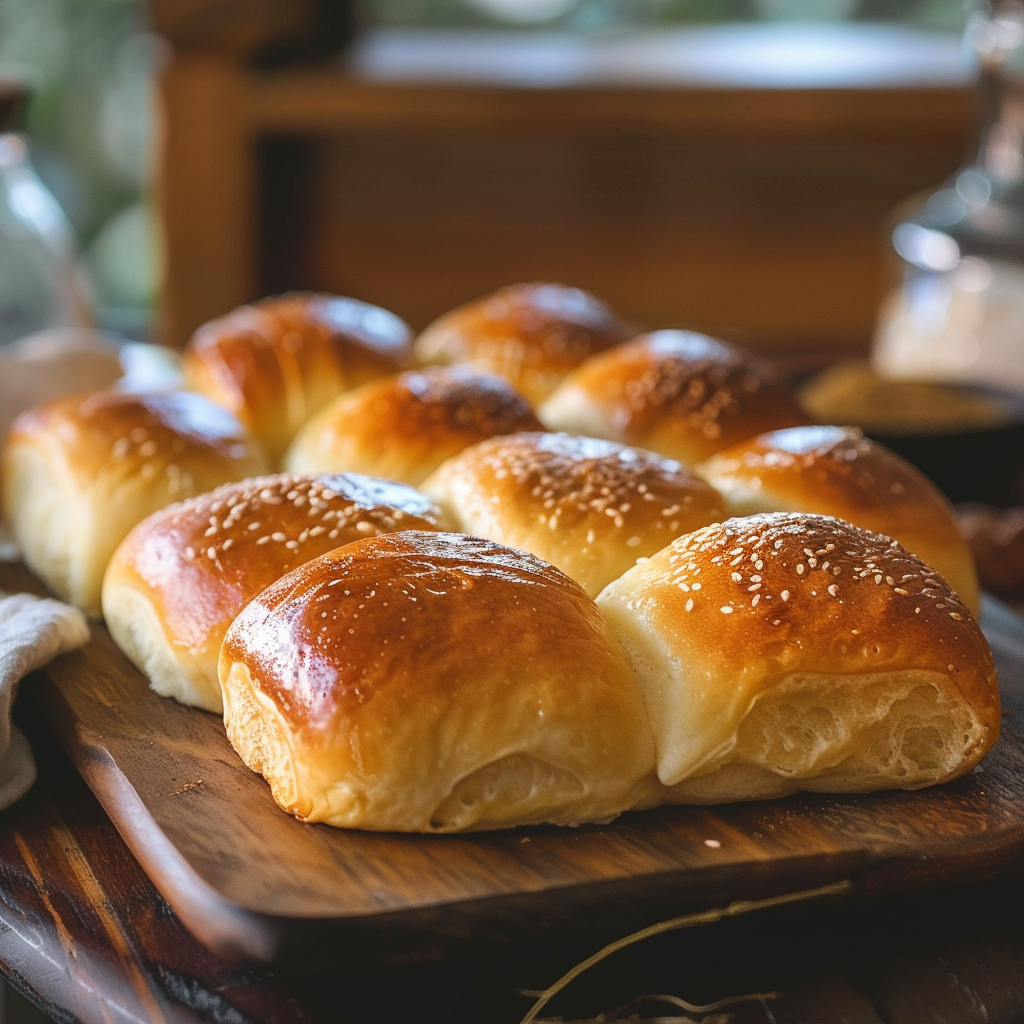
Parker House rolls are a beloved classic, known for their soft, tender crumb and signature folded shape. These beautiful rolls are traditionally enjoyed during holidays and special occasions, but they’re simple enough to make for any family meal. Imagine pulling a basket of warm, buttery Parker House rolls fresh from your oven – they bring a comforting aroma and a delicious taste that’s hard to resist. This easy recipe will guide you through creating these old-fashioned delights right in your own kitchen. You’ll love how this simple recipe brings a touch of elegance and homemade goodness to your table.
Why This Recipe Works
This Parker House roll recipe is designed for home bakers, focusing on straightforward techniques that yield impressive results. The combination of warm milk, active yeast, and softened butter creates a rich dough that bakes up incredibly soft and flavorful. We use standard pantry ingredients, making it accessible for everyone. The signature fold is simpler than it looks and adds a charming touch to these beautiful rolls.
The joy of baking Parker House rolls is the comforting process and the incredibly rewarding outcome. They are wonderfully versatile, perfect for soaking up gravy, serving alongside a hearty stew, or simply enjoying with a spread of butter. This is the kind of recipe that becomes a cherished part of your baking repertoire because it’s reliable, delicious, and always a crowd-pleaser.
Recipe Overview
| Prep Time | 45 minutes (plus 2-3 hours rising time) |
|---|---|
| Cook Time | 15-20 minutes |
| Total Time | Approximately 3-4 hours |
| Servings | 12-16 rolls |
| Difficulty | Medium |
| Category | Bread, Side Dish |
| Cuisine | American, Grandma-style |
| Best For | Family dinners, holidays, comforting meals |
Ingredients
Gather these common pantry staples to create your delicious Parker House rolls.
| Ingredient | Quantity | Notes |
|---|---|---|
| Active Dry Yeast | 2 ¼ teaspoons (1 packet) | Ensure it’s fresh |
| Warm Milk | 1 cup | About 105-115°F (40-46°C) |
| Granulated Sugar | ¼ cup | Plus more for proofing yeast |
| Unsalted Butter | ½ cup (1 stick) | Softened, plus more for brushing |
| Large Eggs | 2 | Room temperature, lightly beaten |
| All-Purpose Flour | 4 cups | Plus more for dusting |
| Salt | 1 teaspoon | Fine sea salt or table salt |
| Egg Wash (optional) | 1 egg + 1 tablespoon milk | For golden tops |
The magic of these rolls starts with good quality ingredients. Warm milk is crucial for activating the yeast, and using butter that’s softened, not melted, ensures a tender dough texture. Room temperature eggs also incorporate more smoothly. Flour and salt are the backbone of the structure, while a touch of sugar feeds the yeast and adds a subtle sweetness.
If you find your yeast isn’t bubbling, it might be too old, or the milk was too hot or too cold. Always test the milk temperature before adding it to the yeast. If you don’t have active dry yeast, instant yeast can often be used without proofing, but check the package directions.
Step-by-Step Instructions
Follow these simple steps to create your own heavenly Parker House rolls from scratch.
Activate the Yeast
- In a small bowl, combine the warm milk and a pinch of sugar. Sprinkle the yeast over the top.
- Let it sit for 5-10 minutes until it becomes foamy and bubbly. If it doesn’t foam, your yeast is likely inactive, and you’ll need to start over with new yeast.
Prepare the Dough
- In a large mixing bowl, cream together the softened butter and ¼ cup granulated sugar until light and fluffy, either with an electric mixer or by hand.
- Beat in the lightly beaten eggs one at a time until well combined.
- Add the foamy yeast mixture and salt to the butter and egg mixture, stirring gently to combine.
- Gradually add the all-purpose flour, about a cup at a time, mixing until a shaggy dough forms.
- Turn the dough out onto a lightly floured surface. Knead for 8-10 minutes (or use a dough hook on an electric mixer for 6-8 minutes) until the dough is smooth, elastic, and no longer sticky. Add a tablespoon of flour at a time if it’s too sticky to handle.
First Rise
- Lightly grease a large, clean bowl with butter or oil. Place the kneaded dough in the bowl, turning it once to coat all sides.
- Cover the bowl tightly with plastic wrap or a clean kitchen towel.
- Let the dough rise in a warm place for 1-1.5 hours, or until doubled in size.
Shape the Rolls
- Gently punch down the risen dough to deflate it. Turn it out onto a lightly floured surface.
- Roll or pat the dough into a large rectangle, about ½ inch thick.
- Brush the surface of the dough generously with softened butter.
- Using a sharp knife or a pizza cutter, cut the dough into 12-16 equal strips, about 1 inch wide.
- Take each strip and fold it in half lengthwise, creating a gentle crease. Then, gently curve it into a crescent or horseshoe shape.
- Place the shaped rolls into a greased baking dish or on a parchment-lined baking sheet, leaving about 1-2 inches between them to allow for expansion.
Second Rise and Baking
- Cover the shaped rolls loosely with plastic wrap or a kitchen towel. Let them rise in a warm place for another 45-60 minutes, or until puffy and nearly doubled in size.
- Preheat your oven to 375°F (190°C) during the last 15 minutes of the second rise.
- If using egg wash, lightly brush the tops of the risen rolls.
- Bake for 15-20 minutes, or until golden brown and they sound hollow when tapped on the bottom.
- Immediately remove the rolls from the baking dish or sheet and brush the tops with melted butter for extra shine and flavor.
Granny Tips for Perfect Results
- Use Room Temperature Ingredients: Softened butter and room-temperature eggs incorporate more easily into the dough, leading to a smoother texture.
- Proper Yeast Activation: Make sure your milk is warm, not hot, and your yeast is fresh. A foamy mixture is your sign that the yeast is alive and ready to work.
- Don’t Add Too Much Flour: Resist the urge to add too much extra flour while kneading. A slightly sticky dough will yield softer rolls than one that’s overworked.
- Warm Rising Place: Find a cozy spot for your dough to rise, like a slightly warm oven (turned off!), or near a sunny window. This helps the yeast do its job efficiently.
- Don’t Overcrowd the Pan: Give your rolls enough space in the baking dish so they can rise upwards and outward, ensuring they bake evenly.
- Butter is Your Friend: Brushing with butter before shaping, and again immediately after baking, seals in moisture and adds that classic rich flavor.
Common Mistakes to Avoid
- Mistake: Using Hot Milk. The high temperature can kill your yeast, preventing the dough from rising. Always use milk around 105-115°F (40-46°C).
- Mistake: Over-Kneading. While you want an elastic dough, over-kneading can make it tough. Stop kneading once the dough is smooth and springs back when gently poked.
- Mistake: Not Enough Rising Time. Be patient! Yeast needs time to work. If your dough hasn’t doubled in size, it needs more warmth and time.
- Mistake: Dry Dough. Adding too much flour during kneading results in dense, dry rolls. Aim for a dough that’s soft and slightly tacky, but manageable.
- Mistake: Baking in a Cold Oven. Always preheat your oven. A hot oven ensures the rolls start baking immediately, creating that perfect crust and rise.
Variations and Substitutions
| Variation or Ingredient | Substitution | Result |
|---|---|---|
| Sweetness | Increase sugar to ½ cup | Slightly sweeter, dessert-like rolls |
| Richer Dough | Replace 2 tablespoons of flour with milk powder | Adds a subtle dairy flavor and extra softness |
| Herbs | Add 1 tablespoon of fresh, finely chopped herbs (like rosemary or chives) to the dough | Savory, flavorful rolls |
| Dairy-Free | Use plant-based milk (like almond or soy) and a dairy-free butter substitute | Still soft and delicious, suitable for vegan diets |
| Gluten-Free | Use a high-quality gluten-free all-purpose flour blend designed for baking | Requires careful handling; dough may be stickier, adjust as needed |
Serving Suggestions and Pairings
Parker House rolls are best served warm, straight from the oven. They are perfect for any occasion, from a casual weeknight dinner to a festive holiday feast. Their rich, buttery flavor makes them an ideal accompaniment to roasted meats, savory stews, or a comforting bowl of soup. For a delightful brunch treat, serve them alongside eggs and a side of fruit. They are also wonderful simply enjoyed with fresh butter, a drizzle of honey, or even jam.
Consider pairing them with a refreshing drink like the Low Carb Cucumber Agua Fresca: Refreshing drink for a balanced meal.
Storage and Reheating
| Method | Duration | Instructions |
|---|---|---|
| Refrigerator | 3-4 days | Store in an airtight container or bread bag. |
| Freezer | Up to 1 month | Wrap cooled rolls tightly in plastic wrap, then in aluminum foil or a freezer bag. |
| Room Temperature | 1-2 days | Store in a bread box or airtight container. Best eaten same day. |
| Reheating | N/A | To refresh, wrap chilled rolls in foil and warm in a 300°F (150°C) oven for 5-10 minutes until just warm through. For best results, eat within a day or two of baking. |
Nutritional Information
Approximate values will vary depending on ingredients, brands, and serving size.
| Nutrient | Amount per Serving |
|---|---|
| Calories | Approximately 180-220 kcal |
| Carbohydrates | Approximately 25-30g |
| Protein | Approximately 4-5g |
| Fat | Approximately 8-10g |
| Fiber | Approximately 1-1.5g |
| Sugar | Approximately 4-6g |
| Sodium | Approximately 150-200mg |
Frequently Asked Questions
Can I make these Parker House rolls ahead of time?
Yes, you can make the dough the day before. After the first rise and punching down, you can cover and refrigerate the dough overnight. In the morning, let it come to room temperature for about 30 minutes before proceeding to shape the rolls.
Can I substitute the milk with another liquid?
You can substitute milk with water or a plant-based milk like almond or soy milk. However, milk contributes to the richness and tenderness of the rolls, so using it is recommended for the best classic flavor and texture.
How do I know when the rolls are perfectly baked?
The Parker House rolls are ready when they are a beautiful golden brown on top and sound hollow when you tap the bottom of one. They should also feel light and springy when gently pressed. Baking time can vary slightly, so keep an eye on their color.
How should I store leftover Parker House rolls?
Leftover rolls should be stored in an airtight container at room temperature for up to two days, or in the refrigerator for up to four days. For longer storage, they can be frozen once completely cooled, wrapped well.
Are Parker House rolls good for everyday use?
While traditionally seen as a special occasion bread, these Parker House rolls are surprisingly simple to make and are a wonderful addition to any meal. They are perfect for elevating a weeknight dinner or serving at a family gathering, bringing a comforting, homemade touch to any table.
Conclusion
Mastering Parker House rolls brings a touch of old-fashioned charm and deliciousness to your baking. This easy recipe makes it achievable to create these soft, buttery, and beautifully shaped rolls from scratch. Whether for a holiday feast or a simple family dinner, these homemade Parker House rolls are sure to become a cherished favorite. Enjoy the warmth and wonderful taste that only homemade bread can provide.
Print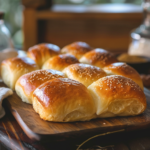
Parker House Rolls: Easy Old-Fashioned Homemade Rolls
- Total Time: 240
- Yield: 12-16 rolls 1x
- Diet: Vegetarian
Description
Soft, buttery Parker House rolls with a signature folded shape. Perfect for holidays or family gatherings, these homemade rolls deliver comfort and elegance with their tender crumb and rich flavor. Make 12-16 rolls using simple pantry ingredients.
Ingredients
Active Dry Yeast 2 ¼ teaspoons (1 packet)
Warm Milk (105-115°F) 1 cup
Granulated Sugar ¼ cup, plus 1 teaspoon for proofing yeast
Unsalted Butter ½ cup (1 stick) softened, plus 2 tablespoons melted for brushing
Large Eggs 2, room temperature, lightly beaten
All-Purpose Flour 4 cups, plus 2-3 tablespoons for dusting
Salt ½ teaspoon
Instructions
Combine warm milk, ½ teaspoon sugar, and yeast in a bowl. Let proof until foamy.
Whisk eggs, then mix with milk-yeast mixture.
Add softened butter (½ cup) and salt to a mixer bowl with ¼ cup sugar. Mix until butter is emulsified (5 minutes on medium speed). Gradually add flour (4 cups) and knead until smooth.
Cover dough and let rise in a warm place for 2-3 hours until doubled
Punch down dough and turn onto a floured surface. Cut into 16 equal pieces
Shape each piece into a square by folding edges toward center. Transfer to baking sheet with spacing
Cover and let rest 30-60 minutes while preheating oven to 375°F (190°C)
Brush rolls with melted butter. Bake for 15-20 minutes until golden. Cool slightly before serving.
Notes
Use a kitchen scale for accurate measurements if possible
Proof yeast near a warm oven or in a preheated bowl of warm water
For halal compliance, ensure butter is unsalted (recipe uses unsalted butter)
Storage: Reheat rolls in oven until warm or store in airtight container up to 2 days
- Prep Time: 45
- Cook Time: 20
- Category: Bread & Baking
- Method: Baking
- Cuisine: American
Nutrition
- Serving Size: 1 roll
- Calories: 180
- Sugar: 10g
- Sodium: 120mg
- Fat: 10g
- Saturated Fat: 6g
- Carbohydrates: 24g
- Fiber: 1g
- Protein: 3g
- Cholesterol: 30mg