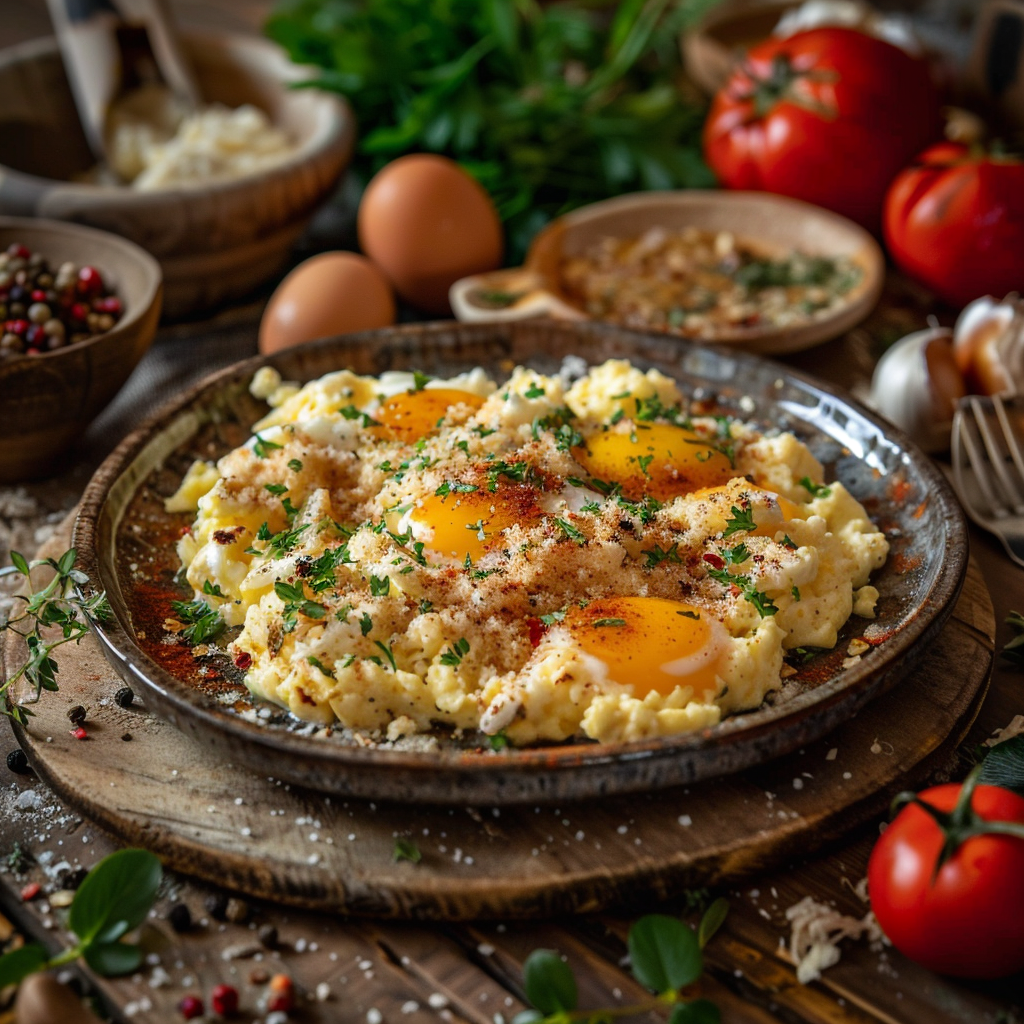
Whipping up a batch of perfect cheese scrambled eggs is one of those simple kitchen triumphs that guarantees a comforting start to your day or a satisfying light meal. This easy recipe focuses on creating incredibly creamy, fluffy eggs infused with the delightful flavor of melted cheese. Forget dry, rubbery scrambles; this method is all about achieving a texture so tender it practically melts in your mouth. Readers will love this recipe because it’s quick to make, uses common ingredients, and delivers consistently delicious results every single time.
Why This Recipe Works
This cheese scrambled eggs recipe works because it prioritizes gentle cooking and the right balance of fat and liquid. The key is to cook the eggs slowly over low heat, stirring frequently but not constantly. This allows the eggs to set gradually, forming soft curds rather than tough strands. Adding a touch of milk or cream contributes to the overall richness and helps create that desirable moist texture. The cheese, added towards the end, melts beautifully into the eggs, enhancing their flavor and making them wonderfully gooey and satisfying.
It’s the kind of simple, homemade goodness that feels like a hug from the inside. This recipe is perfect for those busy mornings when you need something quick and nourishing, or for a comforting brunch that feels a little special without requiring much effort. It’s that reliable, old-fashioned kitchen comfort that always hits the spot.
Recipe Overview
| Prep Time | 5 minutes |
|---|---|
| Cook Time | 8-10 minutes |
| Total Time | 13-15 minutes |
| Servings | 2 |
| Difficulty | Easy |
| Category | Breakfast |
| Cuisine | American, Grandma-style |
| Best For | Breakfast, Brunch, Light Meal |
Ingredients
Gathering your ingredients is the first step to making wonderful cheese scrambled eggs. Using fresh eggs and good quality cheese will make all the difference in flavor and texture.
| Ingredient | Quantity | Notes |
|---|---|---|
| Large Eggs | 4 | Fresh, at room temperature if possible |
| Milk or Cream | 2 tablespoons | Whole milk, half-and-half, or heavy cream for richer eggs |
| Butter | 1 tablespoon | Unsalted is best to control saltiness |
| Salt | 1/4 teaspoon | Or to taste |
| Black Pepper | 1/8 teaspoon | Freshly ground is preferred, or to taste |
| Cheddar Cheese | 1/2 cup | Shredded, sharp or mild as preferred |
The quality of your eggs is paramount here; farm-fresh eggs often have a richer yolk and a more robust flavor. The milk or cream not only adds a lovely richness and helps achieve a creamier texture but also slightly delays the cooking of the eggs, preventing them from becoming tough too quickly. While cheddar is classic, feel free to experiment with other melting cheeses like Monterey Jack, Gruyère, or a blend.
Step-by-Step Instructions
Follow these simple steps to create the most delicious and creamy cheese scrambled eggs you’ve ever tasted.
Prepare the Eggs
- Crack the 4 large eggs into a medium bowl.
- Add the milk or cream, salt, and black pepper to the bowl with the eggs.
- Whisk the ingredients together until the yolks and whites are just combined and slightly frothy. Be careful not to over-whisk, as this can make the eggs tough.
Cook the Scrambled Eggs
- Place a non-stick skillet over medium-low heat.
- Add the 1 tablespoon of butter to the skillet and let it melt and coat the bottom. Swirl the pan to ensure even coverage.
- Once the butter is melted and just beginning to foam, pour the egg mixture into the skillet.
- Let the eggs cook undisturbed for about 20-30 seconds, just until the edges begin to set.
- Using a rubber spatula, gently push the cooked egg from the edges toward the center, tilting the pan to allow the uncooked egg to flow underneath.
- Continue this gentle pushing and tilting motion, stirring occasionally, for about 4-6 minutes, or until the eggs are mostly set but still look moist and slightly runny.
Add Cheese and Finish
- Sprinkle the shredded cheddar cheese evenly over the partially cooked eggs in the skillet.
- Gently fold the eggs to incorporate the cheese, allowing it to melt into the warm mixture.
- Continue to cook for another 1-2 minutes, stirring gently, until the cheese is fully melted and the eggs are cooked to your desired doneness, ensuring they remain moist.
- Remove the skillet from the heat immediately to prevent overcooking.
Granny Tips for Perfect Results
- Low and Slow is Key: Always cook your scrambled eggs over medium-low heat. High heat cooks the proteins too quickly, resulting in tough, rubbery eggs. Patience yields creaminess!
- Room Temperature Eggs: While not strictly necessary, eggs at room temperature will cook more evenly and quickly. If you forget, place cold eggs in a bowl of warm (not hot) water for 5 minutes.
- Don’t Over-Whisk: Whisking too vigorously incorporates too much air, which can lead to a less tender texture. Just combine the yolks and whites until there are no streaks.
- The Right Spatula Matters: A flexible rubber or silicone spatula is ideal for gently scraping the sides and bottom of the pan. It won’t scratch your non-stick skillet and is perfect for making those soft folds.
- Cheese Melts Best at the End: Add your cheese just before the eggs are fully cooked. This ensures it melts into the eggs without becoming oily or separating.
- Seasoning is Personal: Taste your eggs before adding salt, especially if your cheese is salty. Freshly ground black pepper adds a lovely aroma and subtle bite.
Common Mistakes to Avoid
- Mistake: Cooking on High Heat. This is the most common reason for tough, dry scrambled eggs. They cook too fast, becoming rubbery before they can develop a tender texture. Always use medium-low heat and stir gently.
- Mistake: Overcooking the Eggs. Eggs continue to cook from residual heat even after being removed from the pan. Take them off the heat when they are still slightly moist and glistening; they will finish cooking on the plate.
- Mistake: Using a Pan That’s Too Small. If the pan is too crowded, the eggs will steam rather than scramble, leading to a less desirable texture. Ensure there’s enough room in the pan for gentle manipulation.
- Mistake: Adding Too Much Liquid. While a little milk or cream helps with creaminess, too much can make the eggs watery and difficult to cook properly. Stick to the recommended amount or adjust sparingly.
- Mistake: Adding Cheese Too Early. If cheese is added too soon, it can overcook, become greasy, or separate from the eggs. Wait until the eggs are nearly done to allow it to melt gently.
Variations and Substitutions
| Variation or Ingredient | Substitution | Result |
|---|---|---|
| Richer Eggs | Use heavy cream instead of milk | Even creamier and more decadent texture |
| Dairy-Free Eggs | Use unsweetened plant-based milk (almond, soy, oat) and a dairy-free shredded cheese | Still creamy, with a subtle flavor from the plant milk; ensure cheese melts well |
| Cheesy Blend | Use a mix of cheddar and Monterey Jack, Gruyère, or mozzarella | More complex and nuanced cheesy flavor |
| Herb Infused Eggs | Add fresh chopped herbs like chives, parsley, or dill during the last minute of cooking | Fresh, aromatic flavor boost |
| Spicy Kick | Add a pinch of red pepper flakes or a dash of hot sauce to the egg mixture | A gentle warmth to the savory eggs |
Serving Suggestions and Pairings
These delicious cheese scrambled eggs are incredibly versatile and can be served in many ways.
Serve them warm straight from the pan for the best texture. They are a perfect centerpiece for breakfast or brunch, fantastic alongside toast, crispy breakfast potatoes, or a side of fresh fruit. For a more substantial meal, pair them with a slice of Easy Italian Antipasto Salad or some savory Gut Healing Bone Broth. A garnish of fresh chives or parsley adds a lovely pop of color and freshness. They also make for a satisfying light lunch or dinner when paired with a simple green salad.
Storage and Reheating
| Method | Duration | Instructions |
|---|---|---|
| Refrigerator | 1-2 days | Store cooled scrambled eggs in an airtight container. They may become a bit drier upon reheating. |
| Reheating | N/A | Gently reheat in a non-stick skillet over low heat, adding a tiny splash of milk or water to help restore moisture. Alternatively, reheat in the microwave in short bursts, stirring between each. |
It’s best to enjoy cheese scrambled eggs freshly made, as their texture is at its peak. While they can be stored for a day or two, reheating can sometimes make them slightly less creamy. For mornings when you need something quick, consider preparing your Detox Island Green Smoothie or tea the night before, and make the eggs fresh.
Nutritional Information
Approximate values will vary depending on ingredients, brands, and serving size.
| Nutrient | Amount per Serving |
|---|---|
| Calories | Approximately 250-300 kcal |
| Protein | Approximately 15-18g |
| Fat | Approximately 20-25g |
| Carbohydrates | Approximately 3-5g |
| Fiber | Approximately 0g |
| Sugar | Approximately 2-3g |
| Sodium | Approximately 300-400mg (depending on added salt and cheese) |
Frequently Asked Questions
Can I make this recipe ahead of time?
It is best to enjoy cheese scrambled eggs freshly made for optimal texture. However, you can make them ahead and store them in an airtight container in the refrigerator for 1-2 days. Reheat them gently over low heat to prevent them from becoming dry.
Can I substitute one main ingredient?
Yes, you can substitute the milk with cream for a richer result, or use half-and-half. For a dairy-free option, unsweetened plant-based milk and dairy-free cheese can be used. The type of cheese can also be varied to your preference, as long as it’s a good melting cheese.
How do I know when it is ready?
Your cheese scrambled eggs are ready when they are mostly set but still appear moist and glistening. They should be tender and creamy, with the cheese fully melted throughout. Remove them from the heat just before they reach your ideal firmness, as they will continue to cook slightly from residual heat.
How should I store it?
Store any leftover cheese scrambled eggs in an airtight container in the refrigerator. They are best consumed within 1 to 2 days. Ensure they are cooled completely before storing to prevent condensation, which can affect texture.
Is this recipe good for everyday use?
Absolutely. This easy cheese scrambled eggs recipe is perfect for everyday use due to its simplicity, speed, and use of common ingredients. It offers a comforting and nutritious meal that can be prepared in under 15 minutes, making it ideal for busy mornings or quick meals. This recipe is meant for everyday comfort and is not a replacement for medical advice.
Conclusion
Making perfect cheese scrambled eggs is an achievable culinary skill that brings comfort and deliciousness to any table. This easy recipe delivers incredibly creamy results by focusing on gentle cooking and simple, quality ingredients. Whether you’re seeking a quick breakfast or a satisfying light meal, these cheese scrambled eggs are a reliable choice. Give this old-fashioned, grandma-style recipe a try and enjoy a truly comforting homemade dish.
Print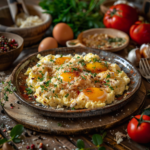
The Best Cheese Scrambled Eggs Recipe
- Total Time: 13
- Yield: 2 servings 1x
- Diet: Vegetarian
Description
Creamy, fluffy eggs infused with melted cheese, cooked gently for a tender, melt-in-your-mouth texture. This quick, fuss-free recipe delivers comforting breakfast or brunch magic with just five ingredients.
Ingredients
4 large eggs
2 tablespoons milk or cream
1 tablespoon unsalted butter
1/4 teaspoon salt
1/8 teaspoon black pepper
1/2 cup shredded cheddar cheese (or your favorite meltable cheese)
Pinch of sugar (optional, to balance tanginess of cheese)
Instructions
Melt butter in a nonstick skillet over low heat
Whisk eggs, milk/cream, salt, pepper, and sugar (if using) in a bowl
Pour mixture into skillet, reduce heat to low
Cook slowly stirring with a figure-8 motion until slight bubbles form
Sprinkle cheese over eggs and continue stirring until fully melted and eggs are just set
Remove from heat while still slightly soft for best texture
Notes
Use fresh room-temperature eggs for even cooking
Cheddar provides ideal sharpness, but try Gouda or Havarti for different flavor
Add herbs like chives or thyme with the cheese
Best served immediately
- Prep Time: 5
- Cook Time: 8
- Category: Breakfast
- Method: Stir-Frying
- Cuisine: American
Nutrition
- Serving Size: 1 full serving
- Calories: 240
- Sugar: 2g
- Sodium: 600mg
- Fat: 18g
- Saturated Fat: 11g
- Carbohydrates: 4g
- Fiber: 0g
- Protein: 12g
- Cholesterol: 280mg